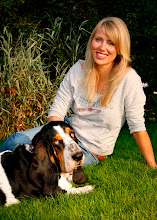
I help owners with problem dogs. Most owners understand their dog’s breed, yet understanding his behaviour can often be misinterpreted, leading to problems.
Although man and dog have been together for thousands of years, we tend to forget his ancestor is the wolf. The DNA of a wolf compared to domestic dog differs by just 1 per cent; the same difference separating one human race to another. So, while your dog looks harmless, he has the mindset of a wolf.
Art, literature and entertainment has greatly influenced our thinking leading to the anthropomorphism of dogs, I call this ‘The Lassie Effect’tm. Lassie was a Collie with the heart of a lion and the navigational skills of a pigeon. Lassie made the public believe he could think, plan, sympathise, know right from wrong, remember complicated facts and seek revenge. When Lassie appeared to be studying a situation, he was actually watching his trainer wave a rag. We humans find it easier to relate to a situation when we project our own emotions onto our dogs. If a dog chews his owner’s shoes when alone, the owner may shout at the dog when he returns home, the dog may lower his body and slink away. The owner thinks his dog learns from the telling off, some may believe the dog destroyed the shoes out of resentment or boredom for being left alone which is why he looks and acts ‘guilty’. However, the dog may be anxious and the chewing action releases endorphins that calm him down, this feeling of comfort is rewarding. When the owner comes home, the dog acts in a submissive manner to avoid punishment. Yet, the owner misinterprets the dog’s attempt at communicating “please don’t hurt me” to mean “I know I’ve done wrong”. So, the problem behaviour continues.
Find out more by visiting http://www.doglistener.tv/
Although man and dog have been together for thousands of years, we tend to forget his ancestor is the wolf. The DNA of a wolf compared to domestic dog differs by just 1 per cent; the same difference separating one human race to another. So, while your dog looks harmless, he has the mindset of a wolf.
Art, literature and entertainment has greatly influenced our thinking leading to the anthropomorphism of dogs, I call this ‘The Lassie Effect’tm. Lassie was a Collie with the heart of a lion and the navigational skills of a pigeon. Lassie made the public believe he could think, plan, sympathise, know right from wrong, remember complicated facts and seek revenge. When Lassie appeared to be studying a situation, he was actually watching his trainer wave a rag. We humans find it easier to relate to a situation when we project our own emotions onto our dogs. If a dog chews his owner’s shoes when alone, the owner may shout at the dog when he returns home, the dog may lower his body and slink away. The owner thinks his dog learns from the telling off, some may believe the dog destroyed the shoes out of resentment or boredom for being left alone which is why he looks and acts ‘guilty’. However, the dog may be anxious and the chewing action releases endorphins that calm him down, this feeling of comfort is rewarding. When the owner comes home, the dog acts in a submissive manner to avoid punishment. Yet, the owner misinterprets the dog’s attempt at communicating “please don’t hurt me” to mean “I know I’ve done wrong”. So, the problem behaviour continues.
Find out more by visiting http://www.doglistener.tv/